Patrick Baeuerle, USA
Patrick Baeuerle
Patrick is a co-founder, Chief Scientific Advisor and Chairman of the SAB of Cullinan Therapeutics, a NASDAQ-listed company based in Cambridge, Massachusetts, USA. Cullinan currently runs four clinical stage programs for treatment of patients with autoimmune diseases and leukemia. As a former Executive Partner with the Boston-based venture capital firm MPM BioImpact, Patrick has co-founded nine portfolio companies during the past ten years: Harpoon, TCR², iOmx, Maverick, Cullinan, Crossbow, Aktis, Werewolf and Triptych. Prior to this, Patrick served as a Vice President of Research at AMGEN and as the CSO of Micromet, Inc., a biotech company pioneering T cell-engaging antibodies. His industry career started at Tularik, Inc., in South San Francisco. Prior to biotech, Patrick was a Professor and Chairman of Biochemistry at the Medical Faculty of Freiburg University, Germany, where he conducted groundbreaking research on transcription factor NF-kappaB. Patrick holds a Ph.D. in Biology from the University of Munich (LMU) and performed his post-doctoral training with Dr. David Baltimore at the Whitehead Institute for Biomedical Research of MIT. Today, he is an Honorary Professor of Immunology at the Medical Faculty of LMU in Munich, Germany, an elected member of the German National Academy of Sciences Leopoldina, and a member of EMBO. He has a Hirsh Index of 146 based on over 92,000 citations for his 257 PubMed-listed publications.

Thomas Dörner, Germany
Thomas Dörner

Christoph Ellebrecht, USA
Christoph Ellebrecht

Raffaella Greco, Italy
Rémy Dulery
Dr. Rémy Duléry is a hematologist-oncologist specializing in hematopoietic cell transplantation (HCT) and cellular therapy. He earned his medical degree from the University of Lille, France, and was later appointed Chief of the HCT and Cellular Therapy Inpatient Unit at Saint-Antoine Hospital, AP-HP, Paris. In 2018, he became Medical Director of the CAR T-cell program for lymphoma patients. He also served as the national FACT-JACIE representativewithin the EBMT, contributing to international standards for quality medical practice.
Dr. Duléry holds a PhD from Sorbonne University, where he has also been a faculty member. In 2014, he joined Prof. Mohamad Mohty’s team at Inserm UMRs 938. Since 2022, he has been conducting postdoctoral research on CAR NK cell therapy at the Dana-Farber Cancer Institute, Harvard Medical School, within the Romee Lab.
His research focuses on mitigating therapy-induced toxicities and improving patient outcomes, particularly for frail or refractory disease patients. He has notably investigated secondary primary malignancies following CAR T-cell therapy. Dr. Duléry has published over 140 articles in peer-reviewed journals and led numerous clinical trials as a principal investigator.
Dr. Duléry currently co-chairs the Immunotherapy and CAR T-cells Committee of the Lymphoma Working Party of the EBMT and remains active in multiple hematology societies, including ASH, LYSA, IACH, and SFGM-TC.

Ricardo Grieshaber Bouyer, Germany
Ricardo Grieshaber Bouyer
I am Professor of Clinical Systems Immunology at FAU and Head of the Clinical Trial Unit.
Board certified in Immunology, the focus of my clinical role is the interdisciplinary care of patients with rheumatic and immune-mediated diseases, in particular CAR-T cell therapy and other emerging immunotherapies such as bispecific antibodies / T cell engagers.
My research group studies immune cell heterogeneity in homeostasis and inflammation and how it affects disease variation across individuals. We accelerate the implementation of innovative immune profiling solutions and computational AI tools to the clinic to realize personalized treatment of immune-mediated diseases.
Practical / Job Experience
Head of Clinical Trial Unit
Okt. 2023–Heute 1 Jahr 5 Monate
Department of Internal Medicine 3 – Rheumatology and Immunology
Professor of Clinical Systems Immunology
Okt. 2023–Heute 1 Jahr 5 Monate
University Hospital Heidelberg
Group Leader
Okt. 2020–Okt. 2023 3 Jahre 1 Monat
Residency and Fellowship in Medicine, Rheumatology and Immunology
Aug. 2019–Okt. 2023 4 Jahre 3 Monate
Visiting Researcher, Molecular Medicine Partnership Unit/Structural and Computational Biology Unit
Sept. 2020–Okt. 2023 3 Jahre 2 Monate
Postdoctoral Researcher
The Immunological Genome Project Consortium (ImmGen)
Mai 2019–Okt. 2020 1 Jahr 6 Monate
Doctoral Researcher
Feb. 2016–Mai 2019 3 Jahre 4 Monate
Boston, MA
Division of Rheumatology, Immunology and Allergy
Doctoral Researcher
Apr. 2015–Mai 2019 4 Jahre 2 Monate
The role of CD177 in neutrophil biology
Clinical Elective
Sept. 2015–Okt. 2015 2 Monaten
Zürich, Switzerland
Research Trainee
DKFZ German Cancer Research Center
Aug. 2011–Sept. 2011 2 Monaten
Division of Viral Transformation Mechanisms

Rémy Dulery, USA
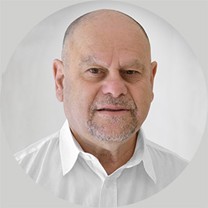
Raffaella Greco
Senior Physician in the Hematology and Blood/Marrow Transplant (BMT) Unit of the IRCCS San Raffaele Hospital in Milano, Italy. Hematologist involved in hematopoietic stem cell transplantation (HSCT) and cellular therapies in all spectrum of haematological cancers and non-malignant indications, including autoimmune diseases.
Her expertise in this field encompasses allogeneic and autologous stem cell transplantation (malignant and non-malignant diseases), cellular therapies (i.e. CART cells, Treg-based cell therapies), immune reconstitution, biomarkers, transplant complications (i.e graft versus host disease, infections). Her career has been focused on several clinical research projects on HSCT and cellular therapies. She has (co-)authored many research articles in peer reviewed journal as well as reviews, book chapters and best-practice guidelines in the field.
She has been significantly involved with the European Group for Blood and Marrow Transplantation (EBMT), as Autoimmune Diseases Working Party (ADWP) Chair (2020-24), EBMT Scientific Council Representative with the Education Portfolio (2022-24), co-chair of the EBMT Harmonization Committee (2022-24), EBMT secretary (2024-ongoing), active member of the ADWP and Cellular Therapy & Immunobiology Working Party (CTIWP).
Affiliation:
Hematology and BMT Unit, IRCCS San Raffaele Hospital, Milano, Italy
Area of expertise:
hematology, allogeneic and autologous hematopoietic stem cell transplantation (malignant and non-malignant diseases, including autoimmune diseases), cellular therapy and immunotherapy, immune reconstitution, transplant complications, graft versus host disease, infections in immunocompromised patients.

Shlomo Elias, Israel
Shlomo Elias
Dr. Shlomo Elias is Head of the Immunotherapy Unit in the Bone Marrow Transplantation Department at Hadassah Medical Center. He earned his MD and PhD from the Hebrew University and completed residencies in Internal Medicine and Hematology at Hadassah. Following postdoctoral research in Dr. Alexander Rudensky’s lab at Memorial Sloan Kettering Cancer Center in New York, he established his own research group at Hadassah. His work focuses on the roles of natural killer (NK) cells and regulatory T cells in hematopoiesis and hematologic malignancies, and on developing novel immunotherapies using these cells.

Moshe Gatt, Israel
Moshe Gatt
Prof. Moshe Gatt is the director of the Hematology department at the Hadassah Hebrew University Medical Center, Jerusalem. He is an associate professor of hematology, Faculty of Medicine, The Hebrew University, Jerusalem. His interest is in plasma cell disorders, including monoclonal gammopathies, Waldenstrom’s Macroglobulinemia, Multiple Myeloma and AL amyloidosis in particular.
Prof. Gatt received his medical degree from the Hebrew University School of Medicine. He completed his residencies and fellowships at the Hadassah Medical Center, Jerusalem, Israel, and performed a research fellowship at the Jerome Lipper center for Multiple Myeloma, Department of Medical Oncology, Dana Farber Medical Center and Harvard Medical school, Boston, MA. USA.
His research interests include plasma cell dyscrasias, Waldenstrom’s Macroglobulinemia, multiple myeloma and amyloidosis. Prof. Gatt’s work revolves around improving current diagnostic techniques for plasma cell disorders and in investigating novel methods to study this disease. He has also investigated and reported various treatments outcomes in MM, and is participating in many phase 1, 2 and 3 clinical trials in Multiple Myeloma and Amyloidosis as a Principal Investigator, including advanced therapies. He is an author of over 90 peer-reviewed publications in international peer-reviewed journals, and has lectured in and organized distinguished international conferences in Israel and globally.
He has been the secretary (2012-2016) and the chairman of (2017-2021) the Israeli Multiple Myeloma Study Group. He is currently heading the Israeli Society of Hematology board of exams committee.

Melanie Hagen, Germany
Melanie Hagen
2018 Medical degree at the Friedrich-Alexander-University Erlangen-Nuremberg, Germany
2018-2024 trainee Department of Rheumatology and Immunology, University Hospital Erlangen, Prof. Dr. med. Schett
Since 2024 consultant in Internal Medicine and Rheumatology
Since 2024 Head of Clinical trial department
Focus: New cellular therapies in Autoimmune Diseases

Aiden Haghikia, Germany
Aiden Haghikia
Prof. Dr. med. Aiden Haghikia, a highly accomplished neurologist based in Magdeburg, Germany. With a wealth of experience and expertise in the field, Dr. Haghikia has established a renowned reputation for his contributions to multiple sclerosis research. He has an impressive CV, having studied medicine at the Ruhr University Bochum and obtained a license for medical practice. His extensive career includes a research stay in neuro-immunogenetics at the University of Oxford, as well as a specialization in neurology, culminating in a habilitation and teaching license.
Currently, Dr. Haghikia serves as the Director of the Department of Neurology at the University Hospital Otto-von-Guericke Magdeburg. He has published 213 scientific papers, showcasing his dedication to advancing knowledge in the field. In recognition of his exceptional work, he was awarded the Sobek Young Researcher Award for multiple sclerosis research in 2019. Moreover, he is the Congress Secretary of the German Society for Neurology, further indicating his leadership and influence in the field.
Dr. Haghikia’s expertise lies in the diagnosis and treatment of neurological conditions, particularly multiple sclerosis. His research focuses on various aspects of the disease, including therapy conversion and monitoring of blood parameters. With his wealth of knowledge and dedication to improving patient outcomes, Dr. Haghikia is undoubtedly a leading figure in the field of neurology.

Gerhard Krönke, Germany
Gerhard Krönke
After graduating from the Medical University of Vienna in 2002, Gerhard Krönke worked as postdoctoral researcher at the Medical University of Vienna (2002-2004) and the University of Virginia, Charlottesville (2004-2006). From 2006-2015 he conducted his clinical training in Internal Medicine and subsequently in Rheumatology at the University Hospital Erlangen, where he worked as Senior Physician at the Department of Internal Medicine 3 from 2012-2023. In 2016, he was appointed Professor of Translational Immunology at the University of Erlangen-Nürnberg. In 2023 he moved to Berlin where he is now serving as director of the Medical Department of Rheumatology and Clinical immunology at the Charité University Hospital Berlin. His research focuses on cellular, molecular and metabolic pathways involved in the maintenance and break of immunological self-tolerance as well as the onset and resolution of inflammation. In particular, he is trying to understand the mechanisms and events leading to the development of inflammatory autoimmune diseases such as rheumatoid arthritis and systemic lupus erythematodes and to develop novel strategies for their diagnosis and treatment. In 2014 he received an ERC Starting grant in 2014 as well as an ERC consolidator grant in 2020 and is currently acting as the spokesperson of the DFG research unit FOR2886 “PANDORA” (Pathways triggering AutoimmuNity and Defining Onset of early Rheumatoid Arthritis).

Merav Lidar, Israel
Merav Lidar
Dr. Merav Lidar is a rheumatologist and professor at Sheba Medical Center, Israel’s largest hospital. She serves as the Director of the Rheumatology Unit, where she specializes in the diagnosis and management of autoimmune and inflammatory diseases, including rheumatoid arthritis, lupus, familial Mediterranean fever (FMF), and spondyloarthropathies.
In addition to her clinical role, Dr. Lidar is the Director of the Internal Review Board (IRB / Helsinki Committee) at Sheba, overseeing ethical aspects of clinical research. She also serves as the President of the Israeli Society of Rheumatology, contributing to national guidelines and advancements in rheumatology care.
As a Professor of Medicine at Tel Aviv University, she teaches and mentors medical students and residents, combining clinical practice with academic research. Under her supervision, the first patients in Israel with autoimmune diseases received CAR-T cell therapy, representing a significant milestone in introducing advanced cellular treatments into the field of rheumatology. Her work integrates patient care, teaching, and research, with an emphasis on improving understanding and management of complex rheumatic conditions.

Laurie Menger, France
Laurie Menger
Laurie Menger is an INSERM immuno-biotechnologist. She is the group leader of the Advanced T-cell therapy team (ATIP-2022, U1015) at Gustave Roussy, the leading cancer center in Europe. She benefits from long expertise in high throughput screening strategies (Sci Transl Med 2012, patent WO2010EP55404), T cell therapy and engineering from UCL Cancer Institute and Institut Curie. She previously established clinically relevant protocols to KO immunosuppressive genes such as the glucocorticoid receptor in viral-specific T cells (Blood 2015). She was also the first to inactivate PD1 in tumor-infiltrating lymphocytes (Cancer Res 2016) to strengthen T-cell therapies. She established genome-wide engineering of primary T-cells to accelerate target discovery (STAR protocol 2023). With this systematic interrogation, her team identified SOCS1 as a major checkpoint inhibitor of CD4 T cells, whose inactivation restored CAR19 T cells persistence, composition and efficacy in vivo (Sci Immunol 2021). Her team recently interrogated genes providing T cells with resistance to allogeneic rejection in vivo for the widespread translation of T-cell therapy as a drug. They identified Fas as a major target and demonstrated that base-edited CD3/FAS-KO human CAR-T cells outperform CD3/B2M-KO CAR-T in resistance to both allo-T and NK cells mediated rejection (Nat. Biomed Engin, 2024, patent WO2022023576A1). This discovery challenges the current dogma of deleting B2M and will pave the way for rapid/easy/safe production of allo-CAR-T from healthy donors. Her team was the first in Europe to establish in vivo genome-wide CRISPR screens in primary T cells, developing a functional pipeline to systematically characterize target genes reprogramming T-cell functionality in complex immunosuppressive intercellular interactions recapitulating patient’s tumor microenvironment. They are now integrating additional developments in synthetic biology using genome-scale CRISPR activation editing, deciphering the regulators of CD4 antitumor immune responses (EP24305178.6), developing translational models with base-edited expanded tumor-infiltrating lymphocytes, combinatorial CAR therapies and targeted delivery of chromatin modifiers providing resistance to exhaustion.

Dror Mevorach, Israel
Dror Mevorach
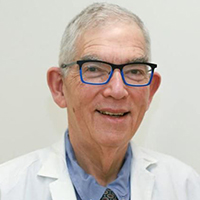
Dr. Dror Mevorach is a Full Professor and Director of the Rheumatology-Immunology-Allergology Institute at Hadassah Medical Center, affiliated with the Hebrew University in Jerusalem, Israel. He obtained his medical degree cum laude from the Technion Institute, Haifa, Israel, in 1988. His expertise spans autoimmune and autoinflammatory diseases, particularly through the study of innate immunity and apoptotic cell clearance. Throughout his career, Dr. Mevorach has held various prestigious positions, including Senior Physician and Chairman of Medicine at Hadassah University Hospital. He has led innovative research in autoimmune diseases, contributing to breakthroughs in the understanding and treatment of conditions like lupus and graft-versus-host disease. Dr. Mevorach’s research has also resulted in therapeutic applications, such as the development of advanced cellular therapies with apoptotic cells, now commercialized by Enlivex Therapeutics. He has published extensively in renowned journals and has received numerous awards for his contributions to medicine, including recognition from the Hebrew University Medical Faculty and the Arthritis Foundation.
Christian Münz, Switzerland
Christian Münz
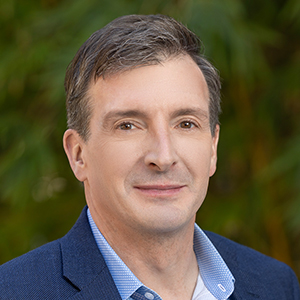
Christian Münz has been trained in immunology at the German Cancer Research Institute, the University of Tübingen and the Rockefeller University in New York, USA. He became Assistant Professor and Head of Laboratory at the Rockefeller University in 2003. In 2008 he was recruited as Associate Professor and Co-Director of the Institute of Experimental Immunology to the University of Zürich, and became Full Professor in 2015. Since 2010 he is also Visiting Professor at the Imperial College in London, UK. In 2006 he received the Burroughs Wellcome Fund Investigators in Pathogenesis of Infectious Disease Award for his studies on macroautophagy in viral antigen presentation on MHC class II molecules, and in 2012 the Sobek Award for his studies on the association of Epstein Barr virus (EBV) infection with MS. He is an expert in EBV specific immune control and autophagy and has published more than 300 peer reviewed papers and review articles on these topics.

Arnon Nagler, Israel
Arnon Nagler
Chaim Sheba Medical Center, Israel
- Director of the Division of Hematology, Chaim Sheba Medical Center, Israel
- Director of Bone Marrow transplantation and Cord Blood Bank, Chaim Sheba Medical Center, Israel
- Professor of Medicine at the Tel Aviv University, Tel Aviv, Israel
- One of the pioneers of the non-myeloablative and reduced intensity/toxicity allogeneic transplantations for both malignant and non-malignant disorders (Blood 1998)
- Established the first public cord blood bank and performed the first cord blood transplanataion in Israel
- Leader of the Alternative donor subcommittee of the ALWP of the EBMT from 2008-2010
- Leader of the RIC subcommittee of the ALWP of the EBMT – since 2010
- Serves on the Editorial Board of several BMT and Hematology Journals and is a Section Editor for Leukemia
- Chair of the Acute Leukemia Working Party (ALWP) of the EBMT
Dr Nagler received his medical training at the Hebrew University-Hadassah Medical School, Jerusalem, Israel; he then carried out a Postdoctoral research fellowship in hematology and bone marrow transplantation at “Stanford University Hospital” Palo Alto, CA, in the USA, from 1986 to 1990.
Dr Nagler serves on the Board of Directors of Netcord organization of cord blood banks and was the Netcord Threasurer from 2010-2013.
Dr Nagler has received several awards including the best scientific abstract award of the ASBMT/CIBMR Tandem meeting (2004) and the best clinical abstract award of the NMDP Council Meeting (2004). In addition, Dr Nagler is a popular speaker and has made numerous, invited, international presentations and many Oral presentations on almost annual basis in all international transplantation and hematology meetings – ASH,ASBMT/CIBMTR, EBMT, EHA, Exp Hematology (including a presentation at the presidential symposium) and invited presentation at the Gordon conference (Boston USA).
Avery Posey, USA
Avery Posey
Dr. Posey is Assistant Professor in the Department of Systems Pharmacology and Translational Therapeutics at the University of Pennsylvania Perelman School of Medicine. In addition, he holds the position of Research Health Scientist at the Philadelphia VA Medical Center. He holds a PhD in Genetics from the University of Chicago and Bachelor of Science degrees in Biochemistry and Bioinformatics from the University of Maryland, Baltimore County. Dr. Posey leads an independent and cutting-edge research laboratory that is at the forefront of advancing chimeric antigen receptor T cell (CAR T cell) technologies. His research focuses on identifying tumor-specific antigens for targeted therapies, enhancing the durable persistence of engineered T cells, and synergizing the potency of CAR T cells with additional effector molecules. Notably, Dr. Posey’s laboratory has a special interest in investigating the impact of changes in tumor glycosylation on the immune microenvironment, including immune suppression and resistance to immunotherapy.

Josef Smolen, Austria
Josef Smolen
Josef Smolen is Emeritus Professor of Medicine at Medical University of Vienna, Austria. He received his MD degree from University of Vienna, trained in Immunology, Medicine and Rheumatology and was research fellow at Arthritis Institute, NIH, Bethesda, USA. 1989-2017 he was Chairman, 2nd Department of Medicine, Hietzing Hospital, and 1995-2018 Professor of Medicine, Chairman of Division of Rheumatology, Medical University of Vienna, acting as Chairman of Department of Medicine 3 from 2007-2018.
Josef Smolen was President of EULAR (2003 to 2005) and President of the Austrian Society of Rheumatology, Austrian Society of Immunology and Treasurer of International Union of Immunological Societies. Dr Smolen is member of the Austrian Academy of Sciences, German Academy of Sciences (Leopoldina), Fellow Royal College of Physicians (London) and Honorary Doctor, Universities of Lund (Sweden), Leiden (Netherlands) and Budapest (Hungary). He is co-editor of “Rheumatology” textbook and currently serves as editor-in-chief of Annals of the Rheumatic Diseases.

Li Tang, Switzerland
Li Tang
Li Tang received his B.S. in Chemistry from Peking University, China, in 2007, and Ph.D. in Materials Science and Engineering from University of Illinois at Urbana-Champaign, USA, in 2012, under the supervision of Prof. Jianjun Cheng. He was a CRI Irvington Postdoctoral Fellow in the laboratory of Prof. Darrell Irvine at Massachusetts Institute of Technology during 2013-2016. He joined the faculty of Institute of Bioengineering, and Institute of Materials Science & Engineering, at École polytechnique fédérale de Lausanne (EPFL), Switzerland, as a Tenure-Track Assistant Professor in 2016, and promoted to Associate Professor with tenure in 2022. He is also the Vice Dean for Innovation, and Director of Innovate4Life program at School of Life Sciences, EPFL.
His research focuses on developing multidimensional immunoengineering approaches for enhanced cancer immunotherapies. Dr. Tang is the recipient of Friedrich Miescher Award (2025) from Life Sciences Switzerland (LS2), Leenaards Prize for Translational Medical Research (2025), Biomaterials Science Lectureship (2025), CAB Mid-Career Investigator Award (2024), Biomaterials Award for Young Investigators (2024), Cancer Research Institute CLIP Award (2021), Anna Fuller Award (2021 and 2022), European Research Council (ERC) Starting Grant Award (2018), and named in the MIT Technology Review’s “Top 35 Innovators under Age 35” list of China region (2020).

George Tsokos, USA
George Tsokos
George C. Tsokos, MD, is a Professor of Medicine at Harvard Medical School and chief of the Division of Rheumatology and Clinical Immunology at Beth Israel Deaconess Medical Center in Boston, MA. His laboratory has led the field of molecular abnormalities on immune cells in patients with systemic lupus erythematosus and has identified previously unknown pathways that have served as the basis for novel treatments currently in various phases of development. More recently, he has launched studies to decipher the interaction between immune and kidney resident cells and to identify local processes that enable renal injury. Dr Tsokos has served in various leadership positions, including president of the Clinical Immunology Society, the member of the boards of directors for the American College of Rheumatology and the Lupus Foundation of America, member or chair of multiple federal study sections, and editor or member of the editorial boards for top scientific journals. He has held a MERIT Award from the National Institutes of Health and has received several prestigious awards, including the Kirkland, Lee C. Howley Sr. Prize, and Evelyn V. Hess awards; the Distinguished Basic Investigator Award from the American College of Rheumatology; the Lupus Insight Prize from the Lupus Research Alliance; and the Carol Nachman Prize for Rheumatology. He is a Master of the American College of Physicians and the American College of Rheumatology, a member of American Association of Physicians and Fellow of AAAS.